Immunization Tracker
I led the redesign and development of eVaccs 2.0—a mobile monitoring system that transformed child vaccination coverage across Punjab, Pakistan's most populous province, increasing vaccinator attendance from 22% to 98%.
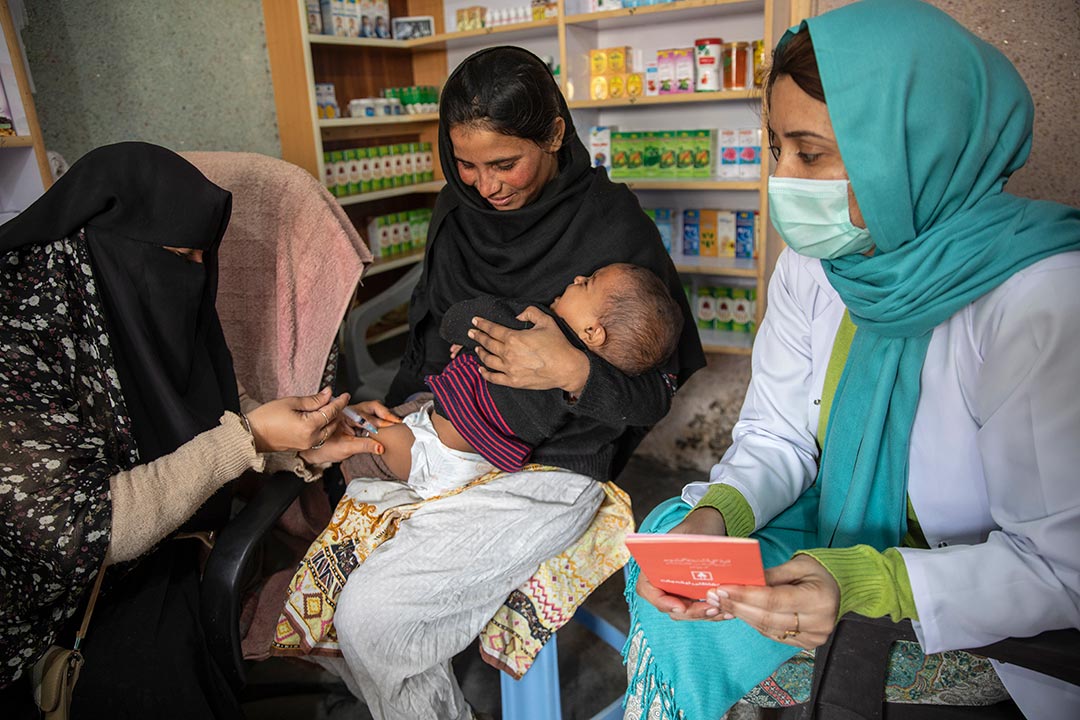
The Challenge
Child immunization in Punjab—Pakistan's most populous province—was failing. Only 22% of the 4,000+ medical officers were showing up to their assigned routes, and there was no way to track field activities.
Paper-based reporting was unreliable, easily falsified, and arrived weeks late. Meanwhile, children's vaccination records existed only on paper cards that were frequently lost or damaged.
The government needed real-time visibility into field operations and a way to digitize immunization records for millions of children—a dual challenge requiring coordination across Health, Irrigation, and Education departments.
My Contributions
Research
Leadership
Impact
How I Made an Impact
Two Products, One Mission
Led development of eVaccs 2.0 for real-time monitoring AND redesigned the national Child Vaccination Card with a companion Android app—digitizing records for 3 million children.
Designing for Constraints
Users had low literacy, basic phones, and spotty connectivity. Advocated for radical simplicity: one tap, GPS verification, offline-first. No typing required.
Cross-Department Coordination
Worked with Health, Irrigation, and Education departments plus the Chief Minister's Roadmap Team—gathering requirements, developing action plans, and meeting deadlines across multiple stakeholder groups.
Securing International Funding
The Child Vaccination Card project was awarded £250k by DFID (UK Department for International Development)—validating our approach and enabling province-wide rollout.
Understanding Constraints
Before building anything, we needed to understand our users—vaccinators in rural areas with very different contexts than our own:
Low Literacy
Many vaccinators couldn't read — interfaces had to rely on icons, colors, and visual cues instead of text
Basic Devices
Low-end Android phones with limited memory and processing power — every feature had to be lightweight
Unreliable Connectivity
Rural areas with spotty network coverage — the app needed to work offline and sync when possible
Minimal Training
No time for extensive onboarding — the interface had to be intuitive from first use
Resistance to Monitoring
Vaccinators were wary of surveillance — the tool needed to feel helpful, not punitive
Key Decisions
Based on field research and stakeholder needs, we advocated for these core product decisions:
Single-Tap Check-In
The core interaction was one tap at each vaccination site. GPS verification confirmed location automatically — no manual entry needed. Under 30 seconds per stop.
Visual-First Interface
Icons and color-coding replaced text wherever possible. Green checkmarks for completed stops, red alerts for missed ones. The interface worked for users who couldn't read.
Offline-First Architecture
All data stored locally and synced when connectivity was available. Essential for rural areas where network coverage was unpredictable.
Real-Time Supervisor Dashboard
District supervisors could see live maps of vaccinator locations, identify non-compliance immediately, and dispatch follow-ups the same day.
Stakeholder Management
"A critical part of this project was navigating government bureaucracy—translating technical capabilities into policy outcomes that politicians and bureaucrats could understand and champion."
Chief Minister Office
Prepared data-driven presentations demonstrating ROI and public health impact. Secured executive sponsorship for province-wide rollout.
World Bank (PPMR Program)
Aligned project outcomes with funding requirements. Demonstrated measurable results that justified additional budget allocation.
District Health Officers
Trained supervisors on dashboard usage and established feedback loops for continuous improvement.
Results
The impact was dramatic and measurable:
Real-time GPS tracking created accountability that paper reports never could
National Child Vaccination Card redesign enabled province-wide digital records
International validation of our approach from UK Department for International Development
Reflection
"This project taught me that great design isn't about features—it's about understanding constraints and designing within them. The technology was invisible; the outcome was what mattered."
Context beats features
The most sophisticated solution would have failed here. What worked was radical simplicity designed for real-world constraints.
Cross-department work requires translation
Working with Health, Irrigation, Education, and the CM Roadmap Team meant constantly translating technical capabilities into policy outcomes.
International funding validates approach
Securing £250k from DFID proved our methodology was sound—external validation that opened doors for province-wide expansion.
What This Shows About Me
This project demonstrates my ability to lead complex, high-stakes initiatives from concept to scale—working with diverse stakeholders, constrained environments, and real-world impact.
Cross-Functional Leadership
Led development of two major products (eVaccs 2.0 and Child Vaccination Card app) coordinating across Health, Irrigation, and Education departments.
Designing for Constraints
Advocated for radical simplicity based on user research. The solution worked because it was designed for real-world limitations, not ideal conditions.
Stakeholder Management
Worked with CM Roadmap Team consultants, secured £250k DFID funding, and coordinated requirements gathering across multiple government departments.
Measurable Impact at Scale
Delivered results that mattered: 76% improvement in attendance (22% → 98%), 3 million children's records digitized, 4,000+ medical officers monitored.